What they’re made of
Every project requires careful consideration of materials and techniques, and every material requires a unique skill to use it to its full advantage.
Sculpting
I start with oil-based or polymer clay, depending on what mold material I’m using in the next step. Both options are easy to edit and are great for capturing fine detail.
Digitally produced assets can easily substitute practically sculpted parts if that suits the project and client!
Mold-making
There are dozens of products to choose from. Most sculpted assets go through a refining stage, so I often produce provisional platinum molds first. Production molds are made to support the final casting materials.
Casting
This stage can use any product that starts as a liquid or malleable substance and cures into a solid. Cast puppet assets usually end up being a type of silicone or resin (but not always!). Having a broad knowledge of materials in general, along with their properties, and how these factor into performance is crucial.
Seaming
Seaming is an often necessary step when final puppet assets are silicone. Tin and platinum silicones are often both used on a single puppet, and both types of silicone have their own properties and challenges. Having worked as a silicone technician throughout my career, I believe that seaming and repairing silicone is one of the hardest skills to master. When done well, it truly showcases the quality of the puppet and prolongs its life on stage.
Armatures
Commercially available armatures rarely provide the quality a client requires. Reviewing storyboards and understanding puppet performance drives armature design. I work with specialized industry professionals when puppets need the best! I often fabricate the smaller armatures for assets like hands or head mechs.
Costuming
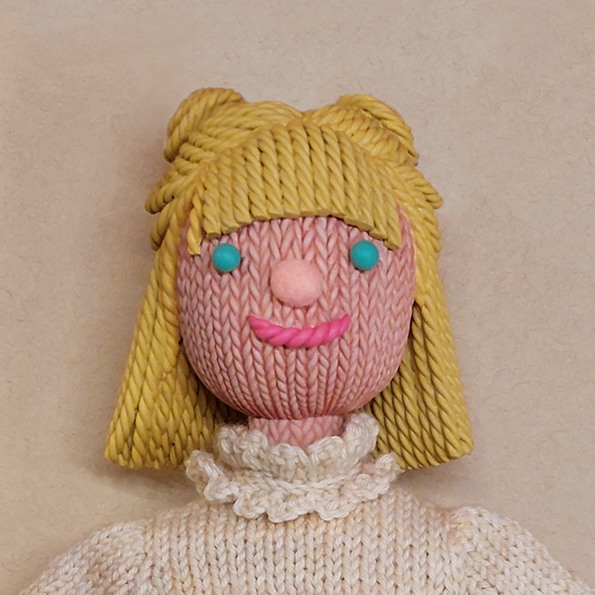
Costumes and hair are often produced by industry specialists since their performance is unique to the materials they use. Special wiring and understructures are often used to support animation. I only make costumes and wigs if I know I can meet the requirements for the project. I happily tackle miniature needlework myself — specializing in knitting, crochet, and embroidery.